
Key points:
- Children have a right to play.

- Play, both indoors and outdoors, makes a powerful contribution to children’s wellbeing, development and learning across all areas.
- In play children can become deeply involved as they take things they already know and combine them in new ways so that their understanding deepens.
- High-quality early childhood practice includes environments where babies and children have freedom and time to play deeply.
- Play is a vital context for relationships
- Adults must have a deep understanding of how play of different types supports children to develop and learn, and be able to discuss this with parents.
- When play feels under pressure, early childhood professionals may need to advocate for play with clarity and confidence.
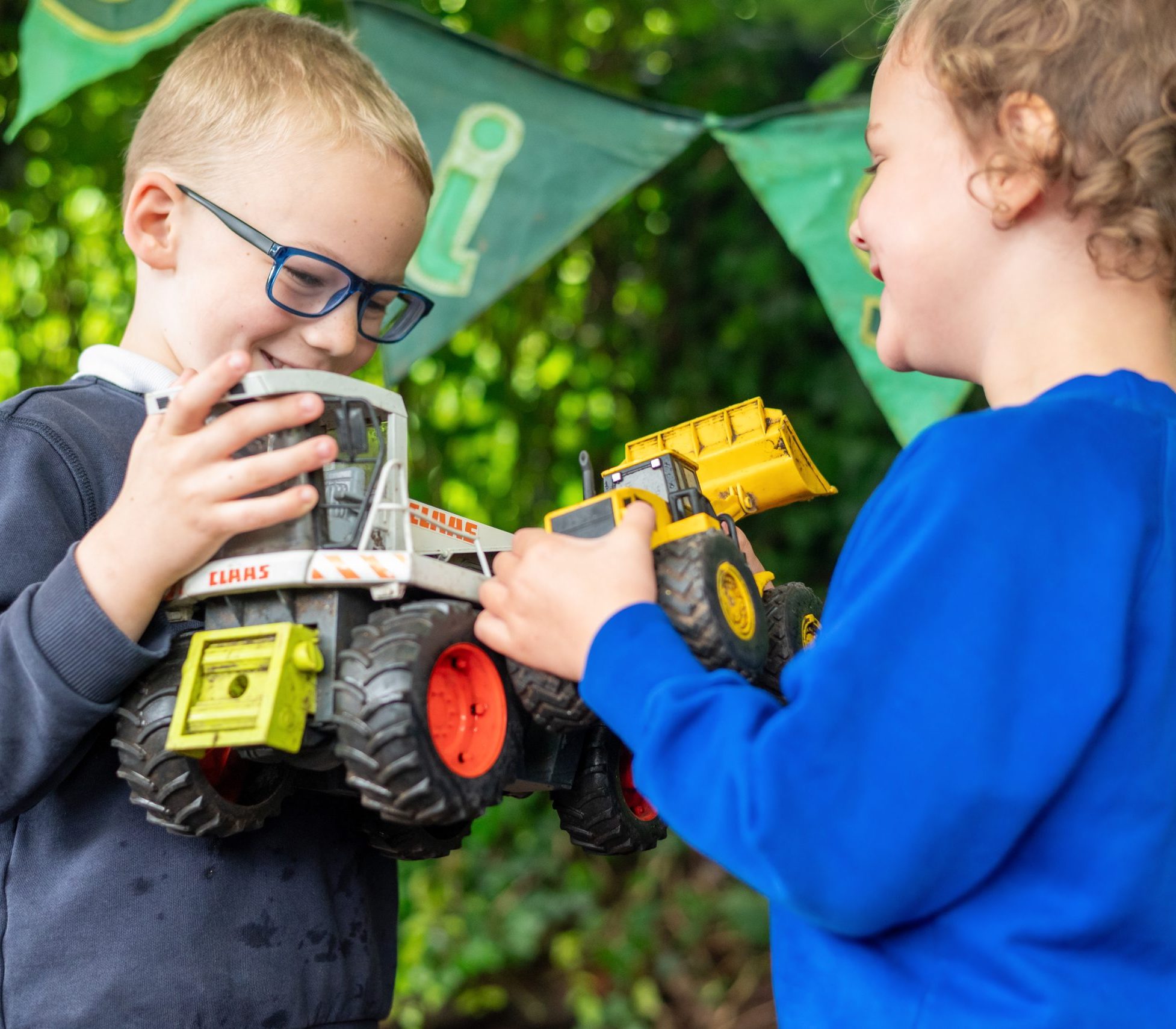
Children have a right to play. Children’s right to play is recognised as so vital to their wellbeing and development that it is included in the United Nations Convention on the Rights of a Child (1989) and is a fundamental commitment to children throughout the EYFS.
Play, both indoors and outdoors, makes a powerful contribution to children’s wellbeing, development and learning across all areas. Children play, not least because it is often fun and offers a joyful opportunity for engaging in many different activities and being with others. As they play children immerse themselves in what most interests them, and in the process find out about themselves, other people, and the world around them. Because play is open-ended and flexible, children can explore and experiment with confidence, take risks and challenge themselves at the limits of their capabilities, without fear of failure.
In play children can become deeply involved as they take things they already know and combine them in new ways so that their understanding deepens. When children play, they immerse themselves in what matters to them. Through play, they learn about:
- themselves (identity, agency, confidence, self-belief)
- other people (relationships, empathy, communication, collaboration)
- the world (patterns, materials, cause and effect, stories, culture, possibility)
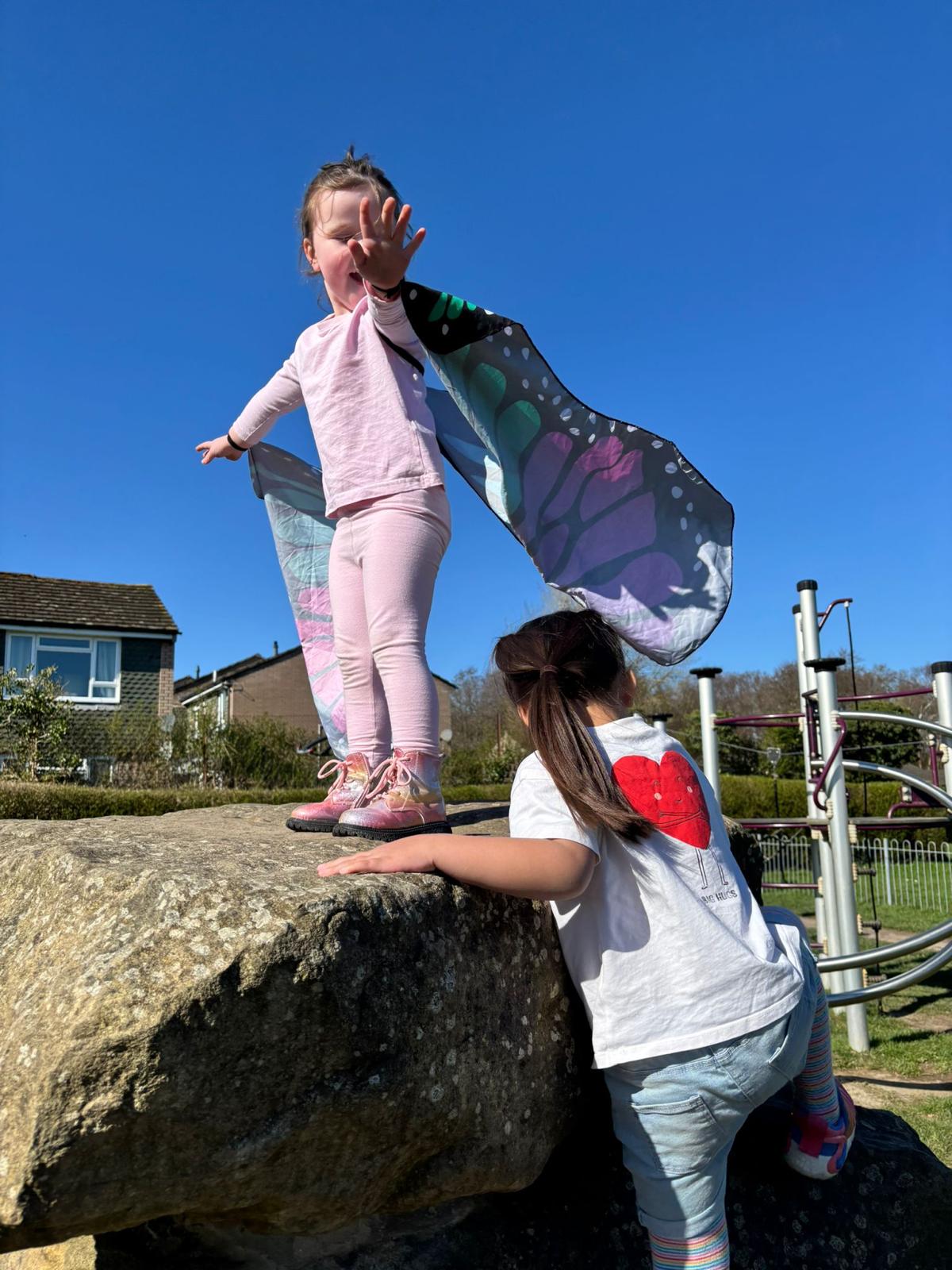
Play is open-ended and flexible. Because children can adapt play as they go, they are able to explore and experiment, take risks, and challenge themselves at the edge of their capabilities, without fear of failure. Play enables children to rehearse ideas and return to them repeatedly, deepening understanding over time.
This is where children develop mastery, embedding skills, strengthening knowledge, and growing their creativity and dispositions for learning.
High-quality early childhood practice includes environments where babies and children have freedom and time to play deeply. This allows children to process their lived experiences in enabling environments so that they can choose:
- what to play
- where to play
- how to play
- who to play with
- what resources to use
- how long to stay with an idea
This autonomy supports children’s sense of competence, agency and independence. It also builds confidence, as children experience themselves as capable decision-makers. Outdoor play is particularly rich, offering children space, movement, connection with the natural world and shared experiences that support collaboration, language, emotional wellbeing, and imagination.
Play is a vital context for relationships. Playing alongside others, whether peers or responsive adults, often introduces challenge, negotiation, new ideas, and shared joy. Through these moments children practise cooperation, learn to solve conflicts, build trust, and develop social understanding.
Adults have an important role in noticing when to join play and when to step back, recognising that children are often building complex thinking and meaning in ways that may not be immediately visible. Play belongs to children. Our role is to remain attentive, respectful, and responsive.
Adults must have a deep understanding of how play of different types supports children to develop and learn, and be able to discuss this with parents. Research has identified many different types of play, enabling educators to understand the choices children are making and how best to support their thinking. Children may be pursuing different purposes in sensory play, exploratory play with objects, schematic play, symbolic play, pretend play (alone, in role or with small world objects), cooperative role play with others, fantasy and superhero play, physical play, rough and tumble play, risky play, or digital play. As each of these supports children’s development and learning in different ways, early years provision should ensure that opportunities are available for all types of play and that children can choose the type of play that serves their needs and intentions. Through observing and reflecting on children’s play, adults can gain insights into the child’s purposes and how best to support them.
High-quality play provision is inclusive. Adults should understand families’ cultural approaches to play, recognising that experiences and expectations vary widely. A play-rich environment must enable all children, including those with additional needs, to participate, contribute, and belong.
Play, while central, is not the only way in which children develop and learn in the early years. Children also have opportunities to learn through first-hand experiences of all sorts, alongside being shown how to do things, having conversations, and taking part in activities which are planned by adults to introduce or practise particular skills. Such adult-led activities are not play but they are most effective when they use some of the features of play to engage and motivate children, by ensuring that they are playful, with elements of choice, hands-on experience, connections to children’s interests, and enjoyment.
When play feels under pressure, early childhood professionals may need to advocate for play with clarity and confidence. Because play is spontaneous, flexible, and unique to each child it can sometimes feel difficult to “capture” or justify, particularly in climates where there is pressure for visible outcomes or narrow measures of progress. This is where professional confidence matters. Play is not the opposite of learning; it is one of the most meaningful and developmentally appropriate ways that young children learn.
It is essential for educators to gain insights from play’s unique ability to show children’s dispositions to learn, and be able to explain how play strengthens children’s communication, thinking, wellbeing, relationships, creativity, problem-solving and long-term learning capacities.