Laying the foundations: Supporting children’s self-regulation
Evidence-informed guidance from Early Years Library (Pedal, Nuffield, Early Intervention Foundation), describing what adults can do to support children’s developing cognitive self-regulation skills

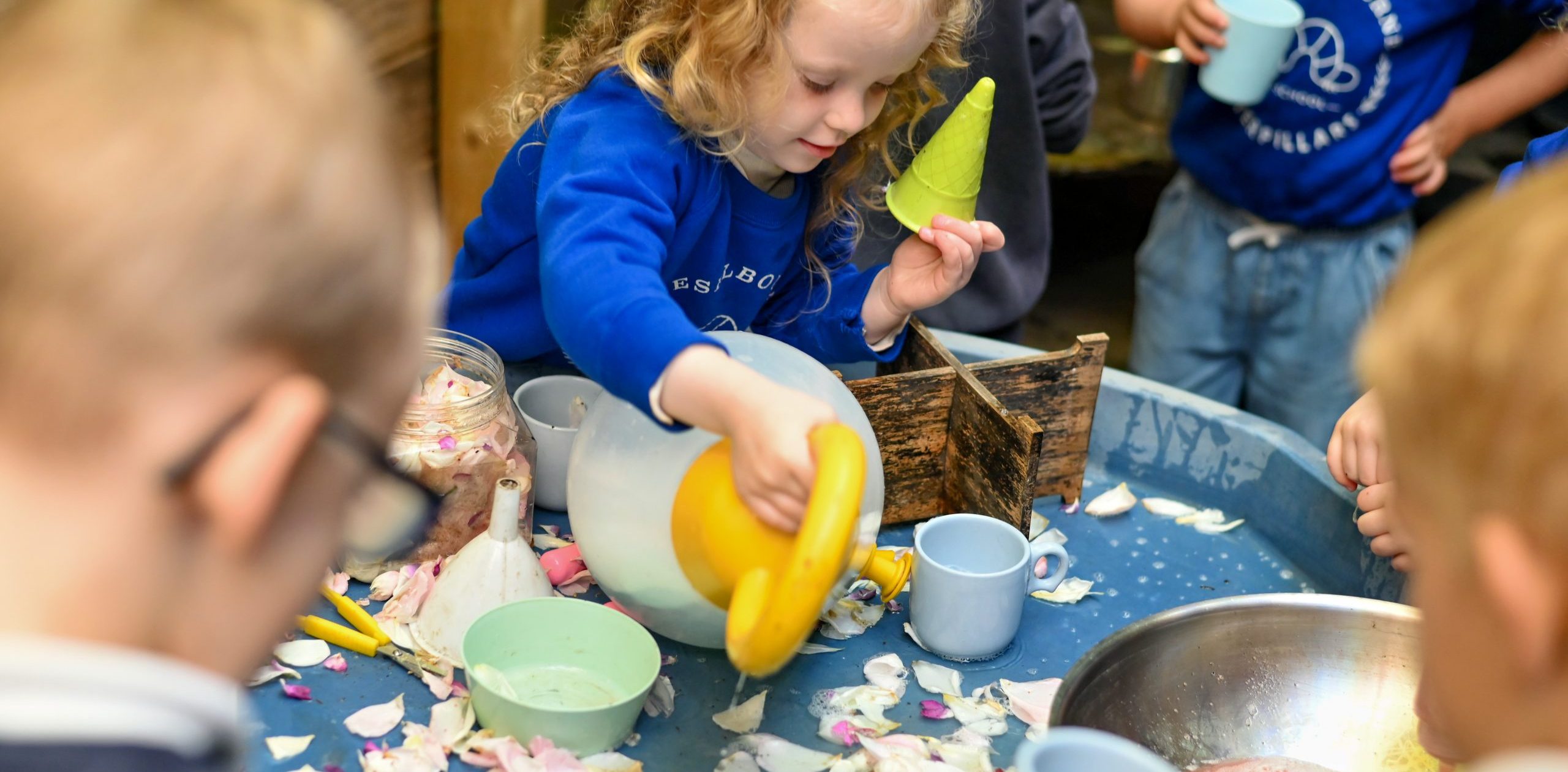
Scaffolding self-regulated learning
Suggested comments/questions adults can use to support children’s thinking as they plan, monitor and evaluate their activities
Supporting self-regulation in 3-4 year olds: An Early Years Teachers handbook
Written by David Whitebread for Sutton Trust, the guide describes the pedagogy to support self-regulation through executive functions, metacognition, and emotional and motivational dispositions
In Brief: Executive Function, Skills for Life and Learning
Video explaining how the important and challenging task for children to develop these skills, what can disrupt their development, and how supporting them contributes to lifelong health and well-being

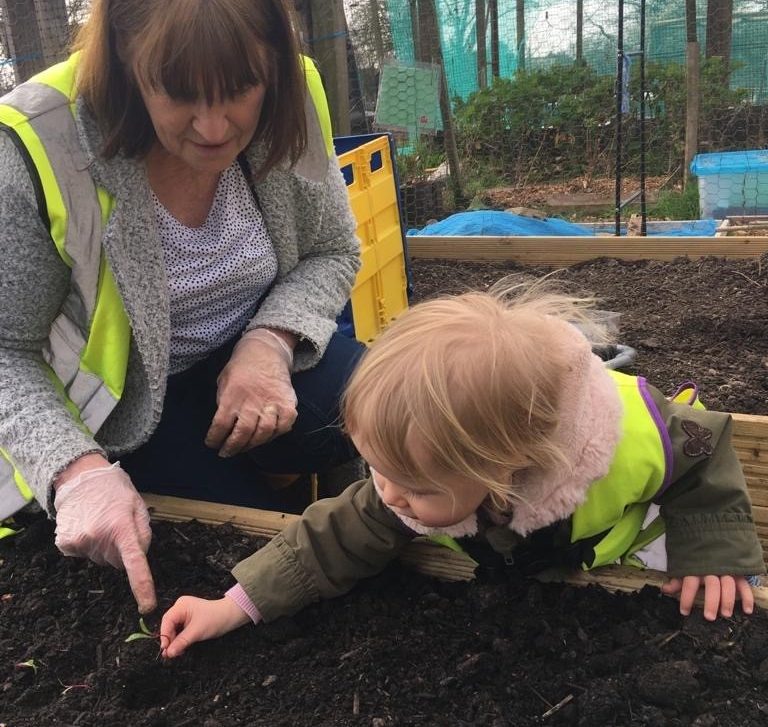
A collection of resources on Executive Function from Harvard Centre on the Developing Child about these essential skills and how to develop and support them throughout the lifespan

How adults and children can build core capabilities for life
Video describing the development and use of executive function and self-regulation skills from early childhood into adolescence and adulthood — what these skills are, why they are important, how they develop, and how they are affected by stress
Enhancing and Practicing Executive Function Skills with Children from Infancy to Adolescence
Guide describing a variety of activities and games that represent age-appropriate ways for adults to support and strengthen various components of executive function and self-regulation in children
Co-regulation and Self-regulation
Article by Dr Mine Conkbayir explaining the importance of co-regulation as the root of self-regulation

The MEHRIT Self-regulation resource library
Blogs on Shanker approach to self-regulation defined as how people respond to stress – whether in a manner that promotes or constricts recovery and growth
Stressors across five domains of self-regulation
List of many examples of stressors that can affect self-regulation
Class Environment Reflection Tool
Checklist to identify stressors in a classroom environment that can impact a child’s learning and behaviour, with guidance on steps to take to move toward self-regulation friendly classrooms
Checklist of Independent Learning Development (CHILD 3-5) – Cambridge University Faculty of Education
Assessment tool from Cambridge study of self-regulation across emotional, pro-social, cognitive and motivational aspects
Checklist of Independent Learning Development (CHILD 3-5) – Cambridge University Faculty of Education
Assessment tool from Cambridge study of self-regulation across emotional, pro-social, cognitive and motivational aspects
Description, evidence and video examples of a range of approaches in practice
Promoting young children’s self-regulation skills through play (three- to five-year-olds)
Discussion of self-regulation and suggested activities to support development across different aspects