Specific areas of learning and development provide children with knowledge and skills to flourish in society.
The Specific areas, Literacy, Mathematics, Understanding the world, and Expressive Arts and Design, are not time-sensitive in terms of the brain’s biological responsiveness to experiences. The roots of learning in the Specific areas, however, reach back to earliest experiences and it is important to support learning in these important areas from birth. The Specific areas represent crucial shared cultural tools and knowledge, which babies and children engage in as members of the society in which they live.
Many aspects of these areas arise naturally for babies and young children as they make sense of their experiences, such as an awareness of quantity, enjoyment of telling and hearing stories, finding out how things work, rhythm, and movement. Children often begin to represent what they understand with their own actions, marks or words. There are also ways of representing understanding with more formal symbol systems such as numbers, writing and other cultural tools and methods for sharing and recording ideas, as well as large bodies of knowledge to be shared with children.
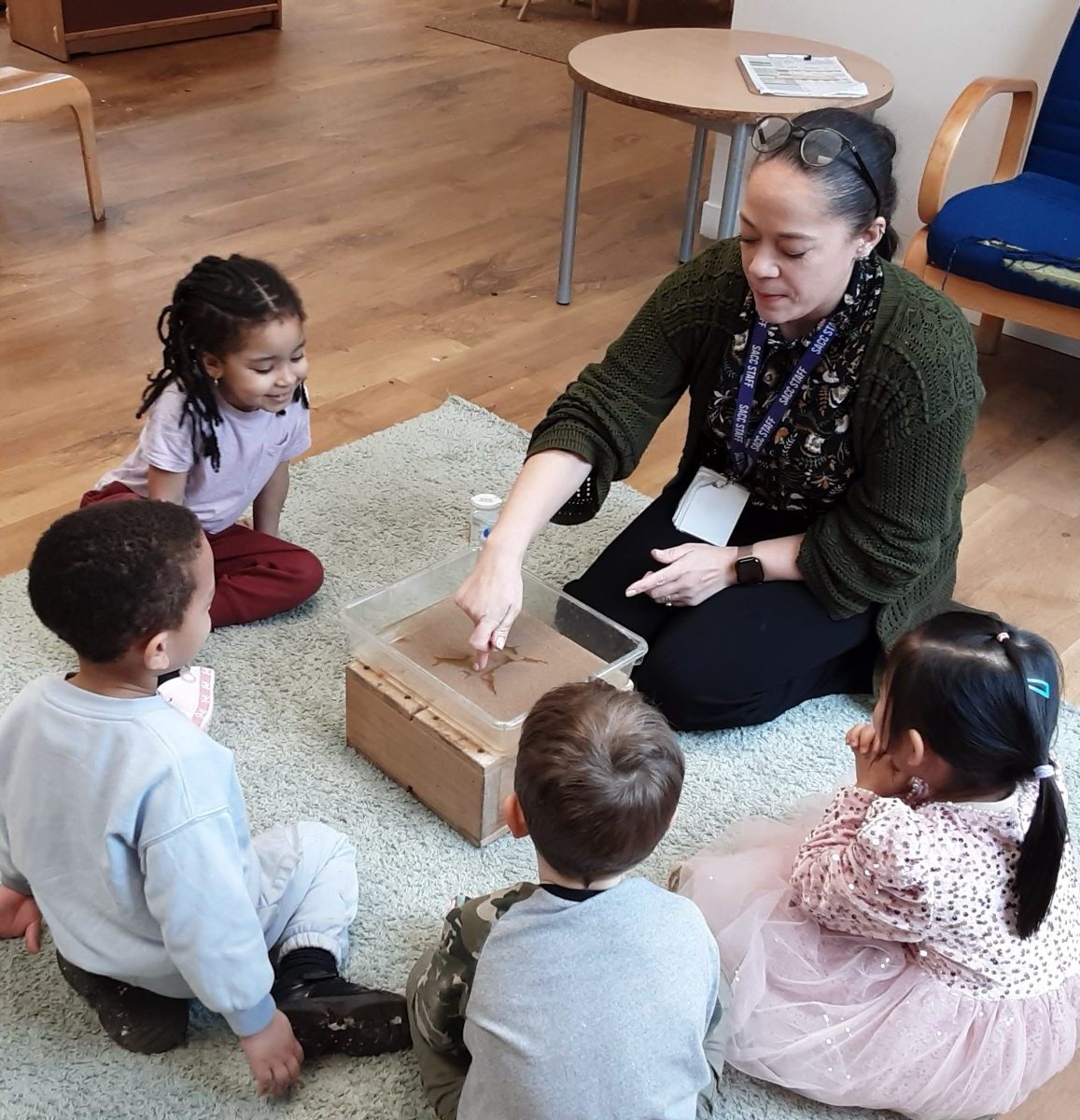
As adults gradually support children to know about and use these Specific areas, either informally as part of daily life or in planned activities, they give children access to the wide scope of shared cultural and intellectual life in modern society, and skills and knowledge to support them in their future learning.