
The three Prime areas, Personal, Social and Emotional Development (PSED), Communication and Language (CL), and Physical Development (PD), describe universal core aspects of early child development. They are time-sensitive because developmental neuroscience shows that the early years are a period of heightened neuroplasticity with the brain forming and pruning new neural connections at an accelerated rate, particularly in the first three years of life but continuing throughout early childhood. Developmental steps missed at this early crucial stage are much harder to address later on, so it is crucial that children’s interactions and experiences in the first few years support development in these fundamental areas.
All three Prime areas are always in action for a young child. In every activity, the child is experiencing feelings and developing a sense of self and others, is physically engaged through their senses and movements, and is learning to understand and communicate with others. It is through these aspects that a child accesses the world around them and relationships with other people, which in turn opens the door to learning in all areas.
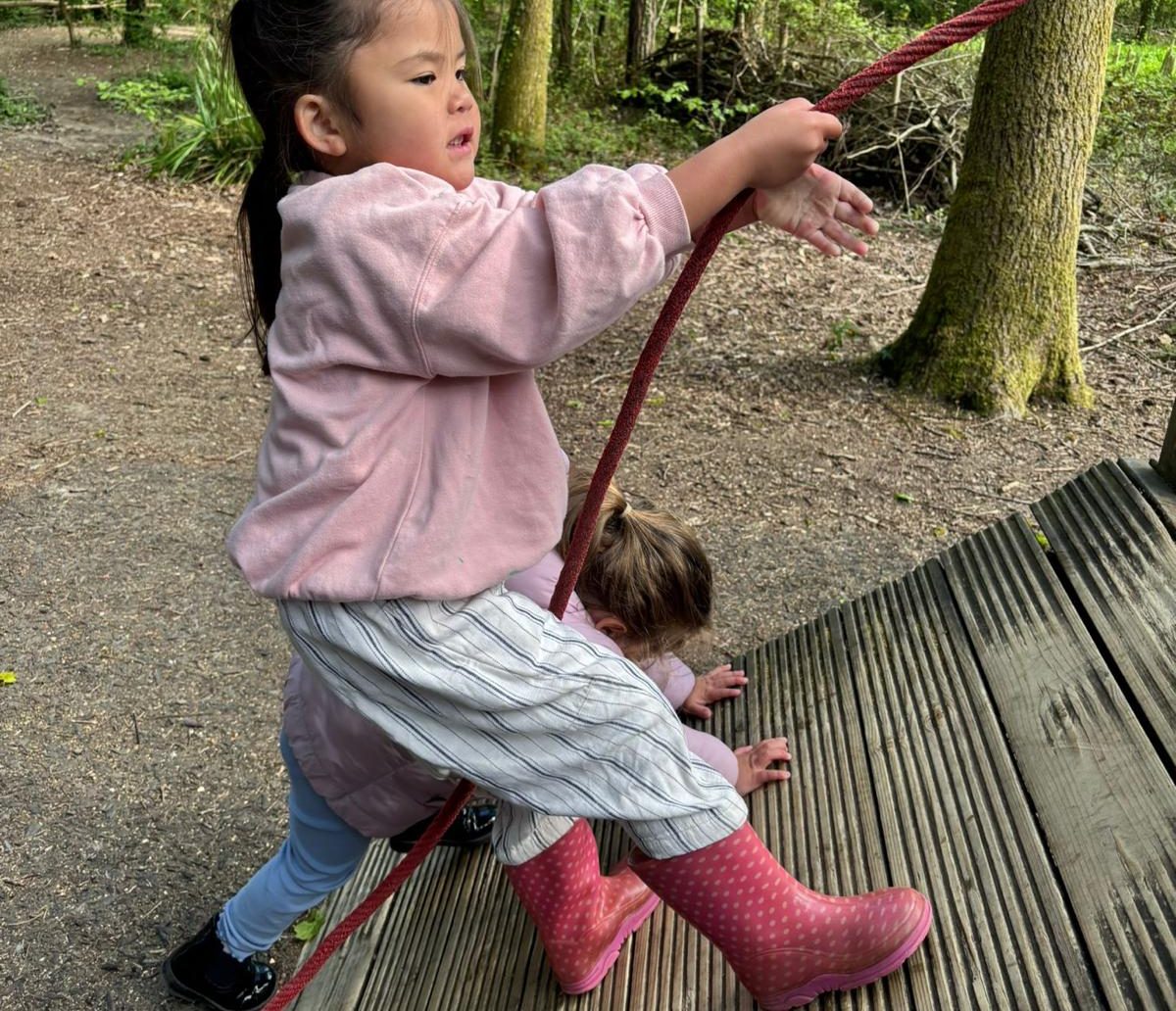
The three Prime areas are interconnected, operating not as isolated domains but as an integrated system. Development in each of the Prime areas affects the others. As babies and children develop their sensory abilities and movement, they can perceive and engage with others and so develop in PSED. Engaging with others spurs more physical activity, and is the beginning of communication and language, which in turn helps build relationships, understanding of feelings and learning about health and physical wellbeing. When early years environments intentionally support all three prime areas, children develop the holistic readiness required for learning across the Specific areas of learning and development.
While the Prime areas are especially crucial to early years provision during the first three years, they remain centrally important for children’s development and learning throughout the EYFS and beyond and should receive priority attention to ensure strong foundations in development and learning.